mackerel
15 weeks | spring semester 2026

what would it take to design a screwdriver that invites both the beginner and the expert,
and make every repair feel instinctive?
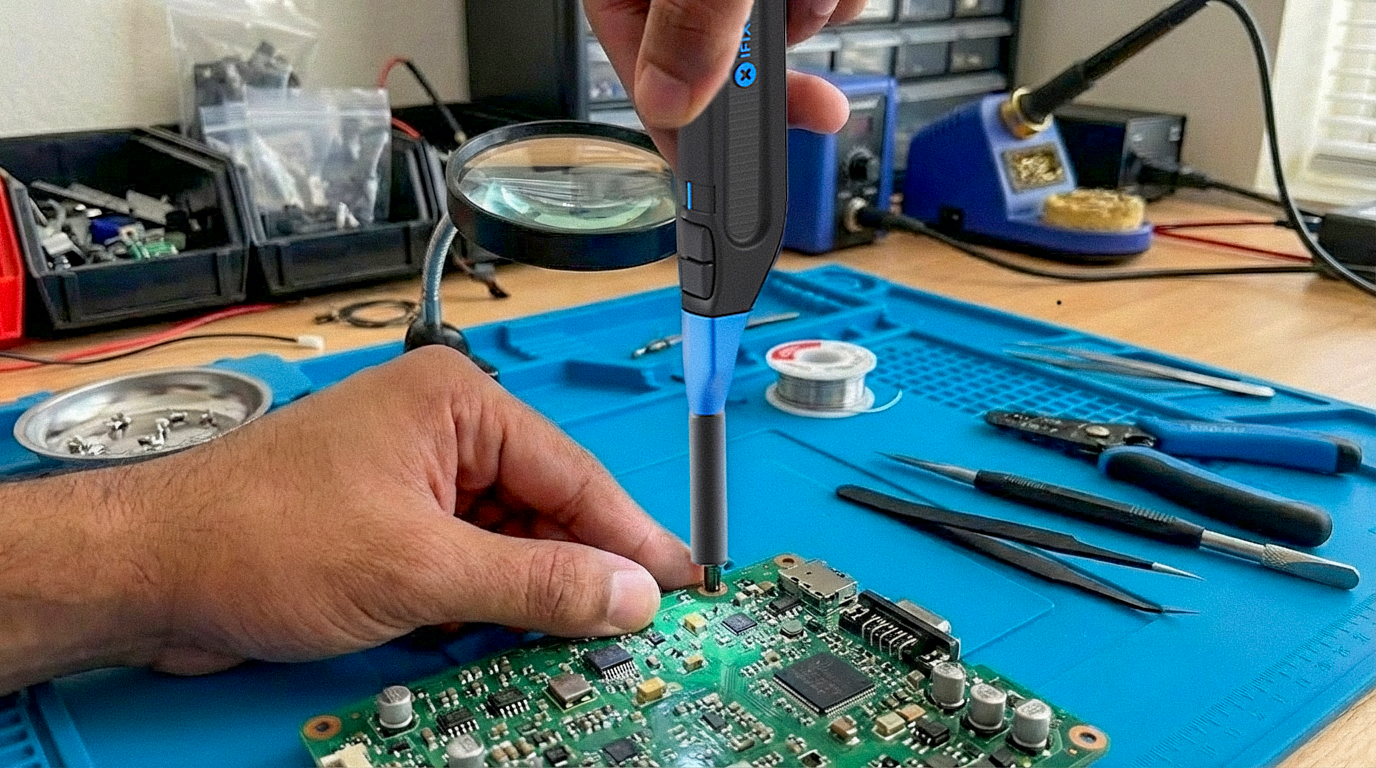
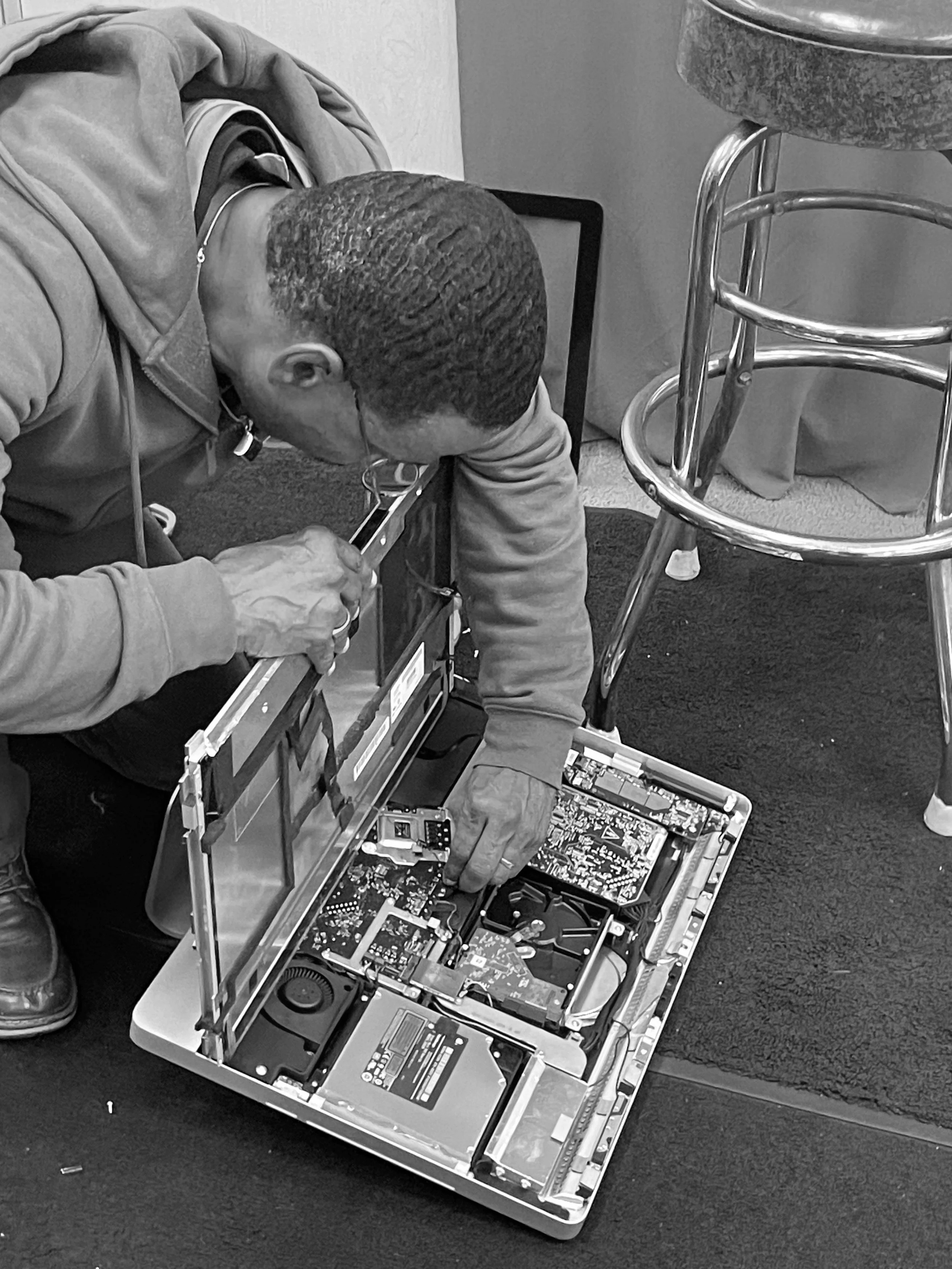
jordan repairs electronics for a living. he's fast, confident, and particular about his tools — not because he's precious about gear, but because the wrong tool quietly eats into every job. he needs a tool that keeps up with him, and doesn't slow down his process.
meet jordan

ease of use
needing multiple tools makes for longer time spent on projects, so by alleviating this, it can help save time, but also promote learning for people who may be averse to repair.

lack of lighting
during the painstaking process of putting fasteners back to re-secure parts in place, sometimes its hard to see where they need to go. adding a lighting feature to this tool will solve this issue and make life a lot easier.

no control
as the process of taking apart devices goes along, many small fasteners are removed. instead of using a separate magnet to fish them out as you go, by giving the user the ability to magnetize or demagnetize their bits, it can prevent headache.
fixophobia (n) a state of mind in which a person or persons do not fix their things due to a deep fear or insecurity;
is a real thing — 6 in 10 people simply don’t think they have the option to repair what they own.
(earth.org, 2023)
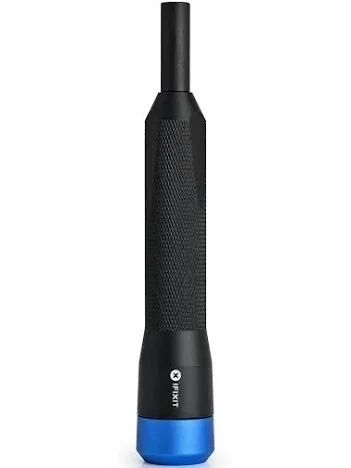
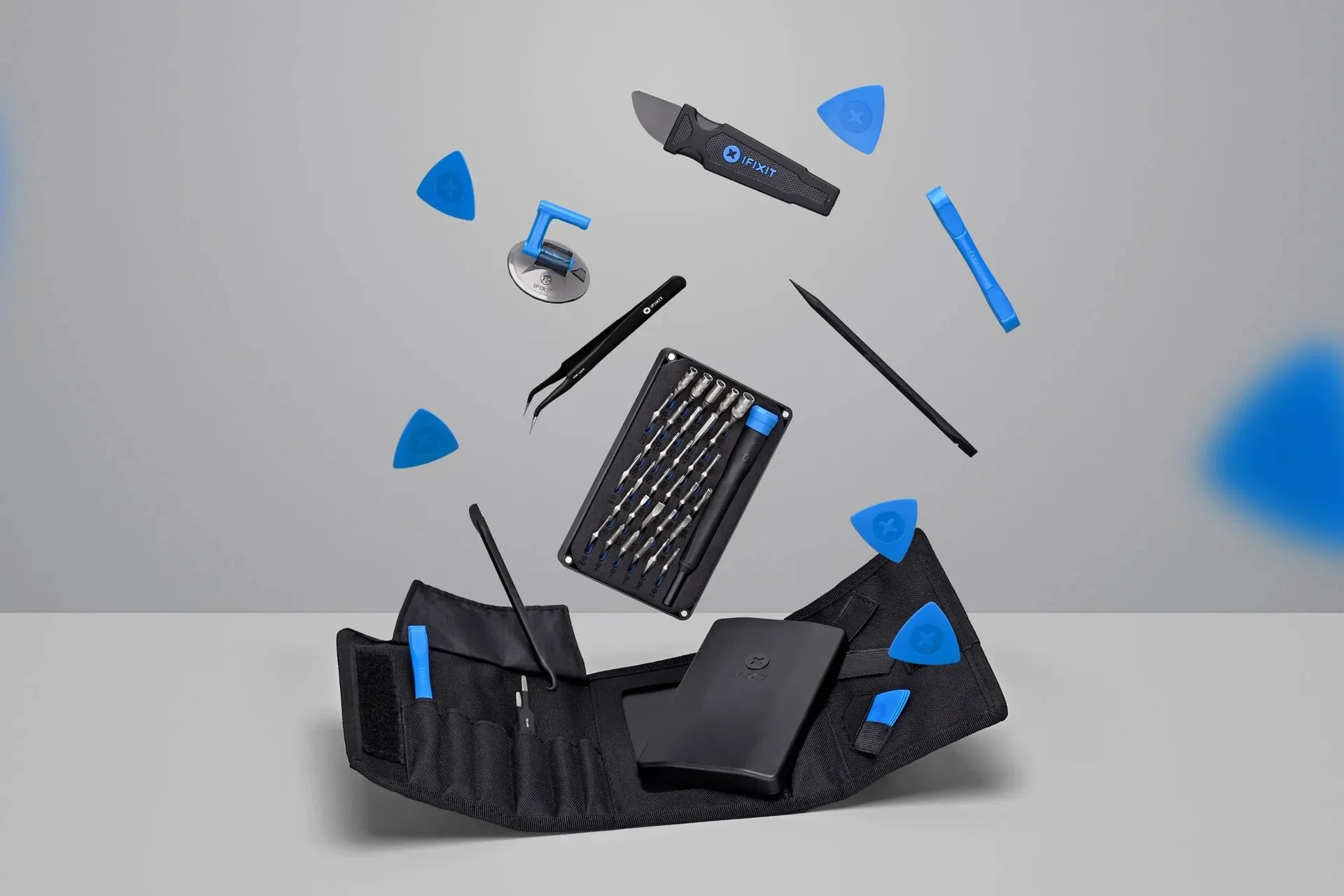
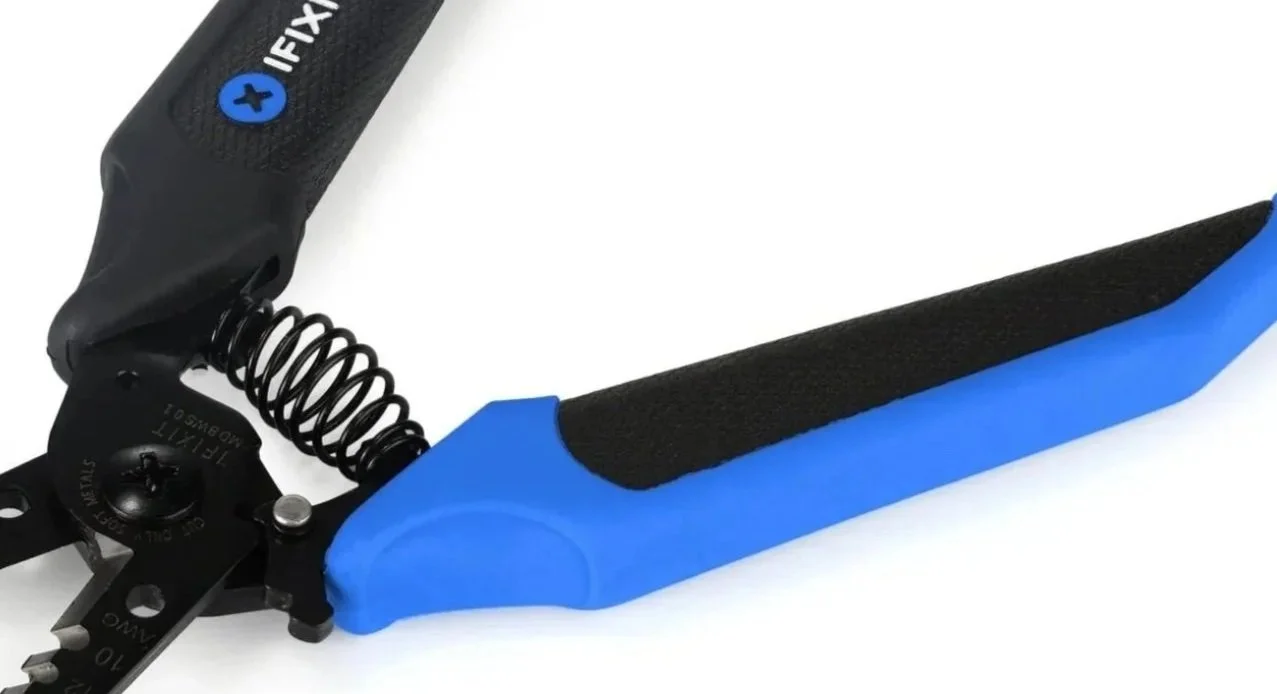

as a brand that specializes in electronics repair, ifixit was chosen for this tool. existing products were studied to gain a better idea of the design language utilized.
brand direction
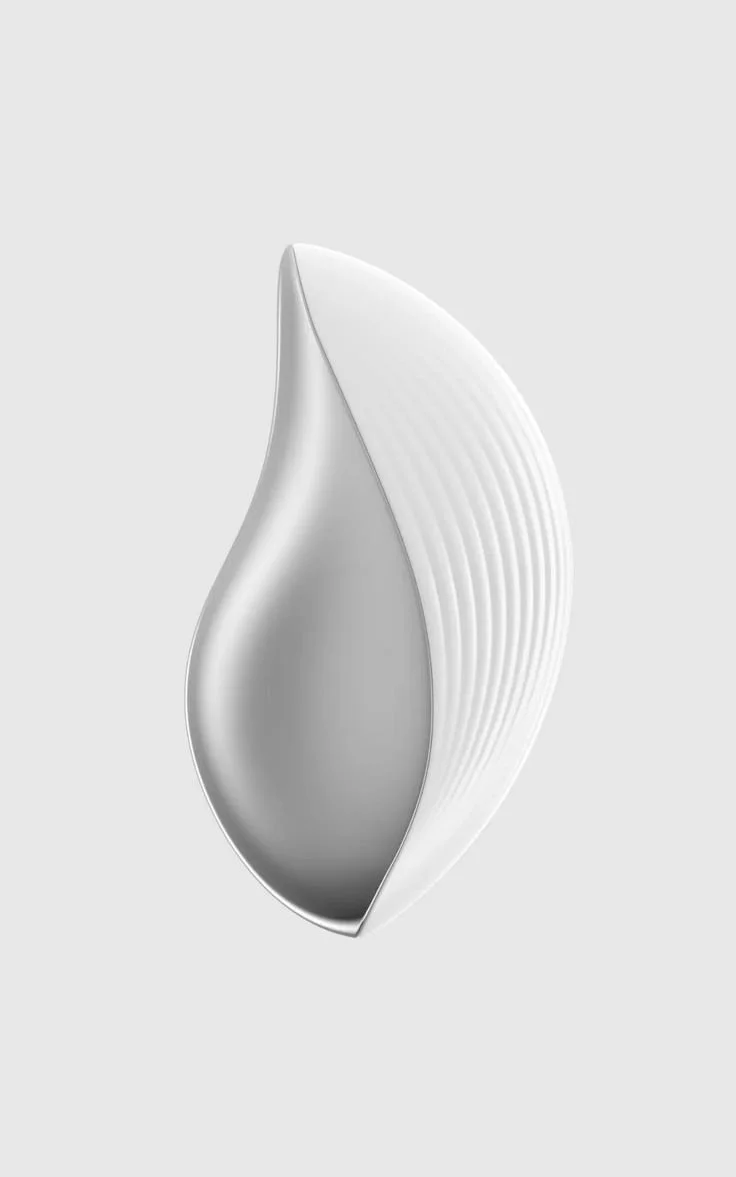

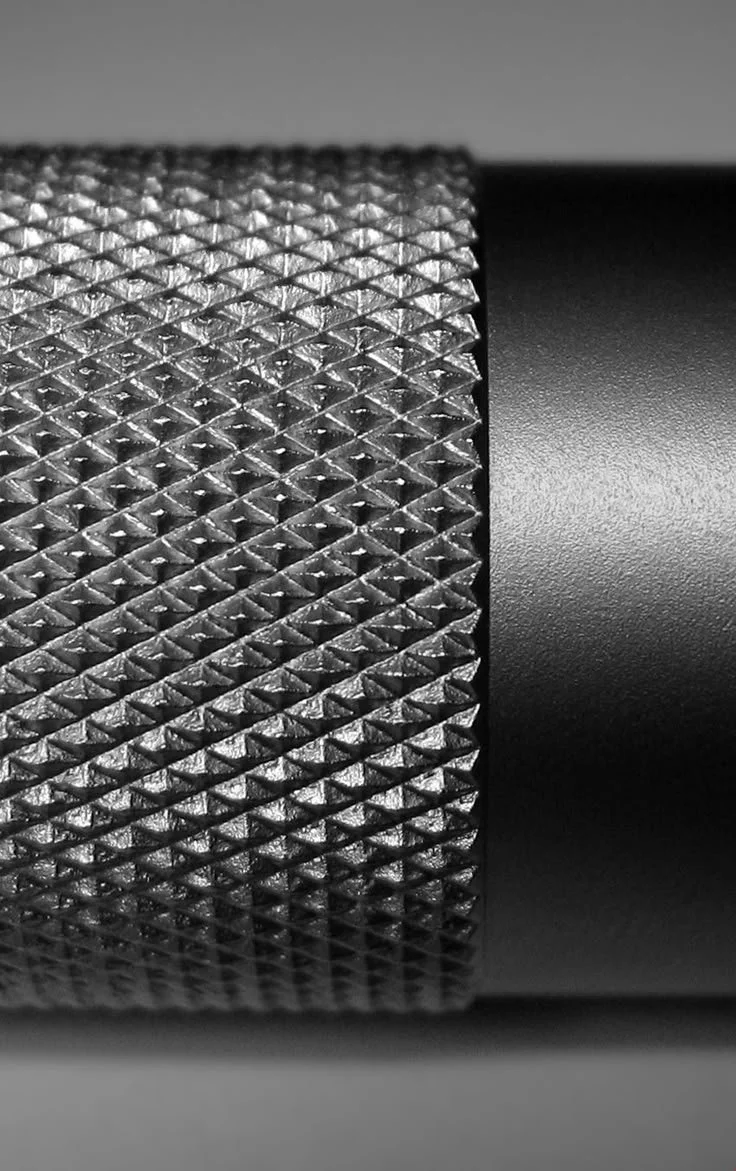
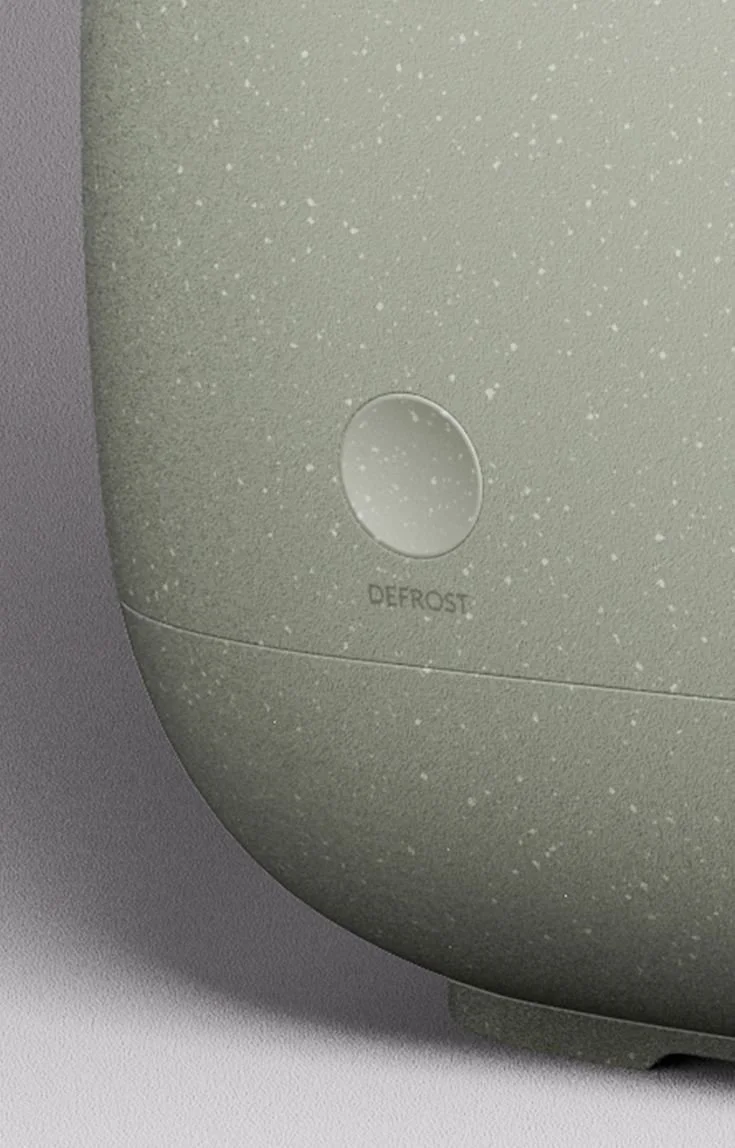
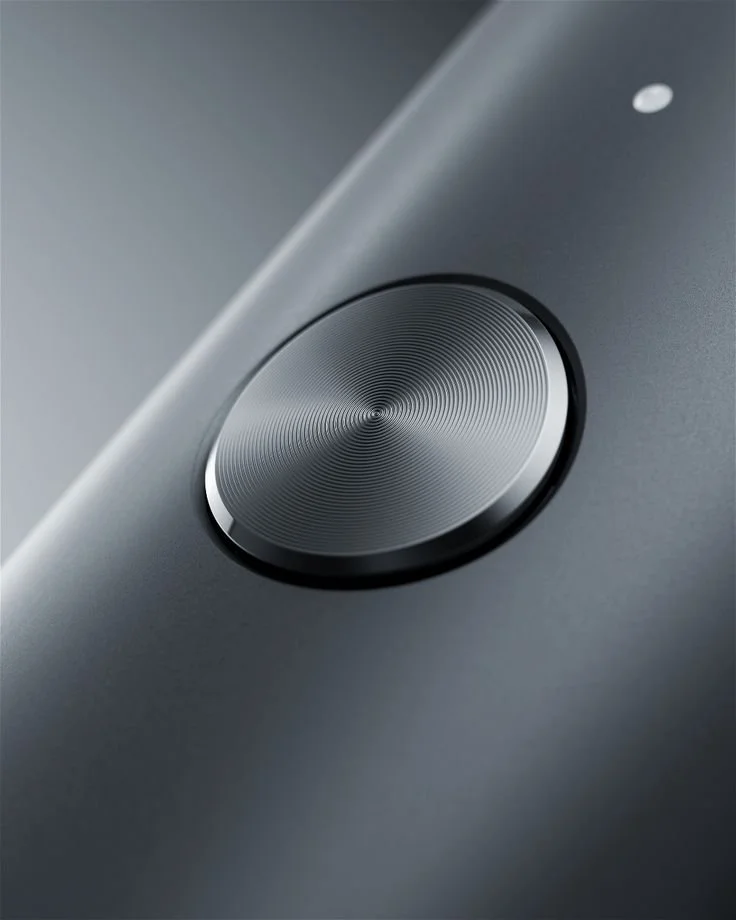
focusing on the design language studied before, a collection of images was created to get a better sense of what some refinements may look like.
inspiration
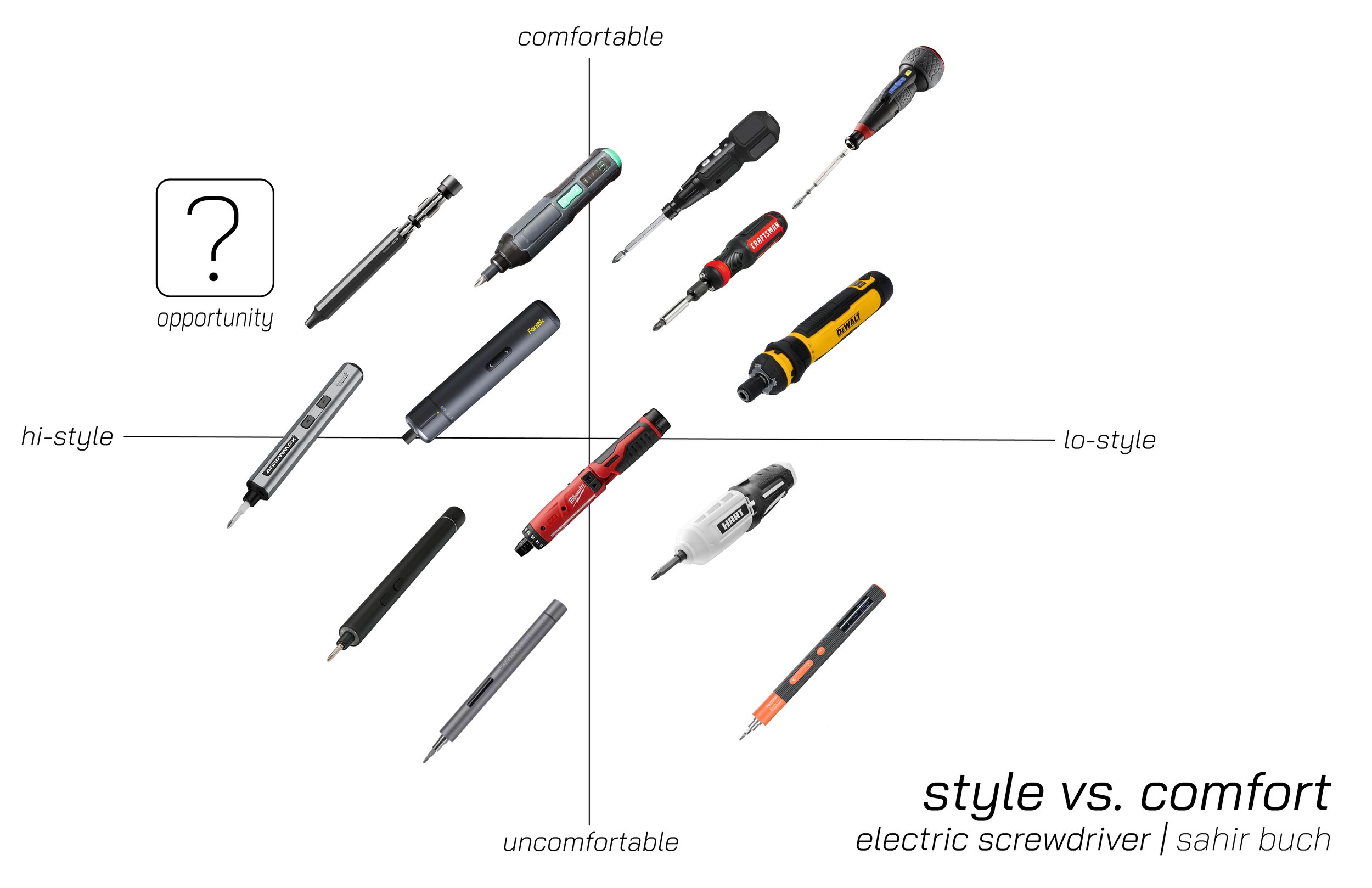
benchmarking the market
focusing on comfort and style, a window of opportunity was found.
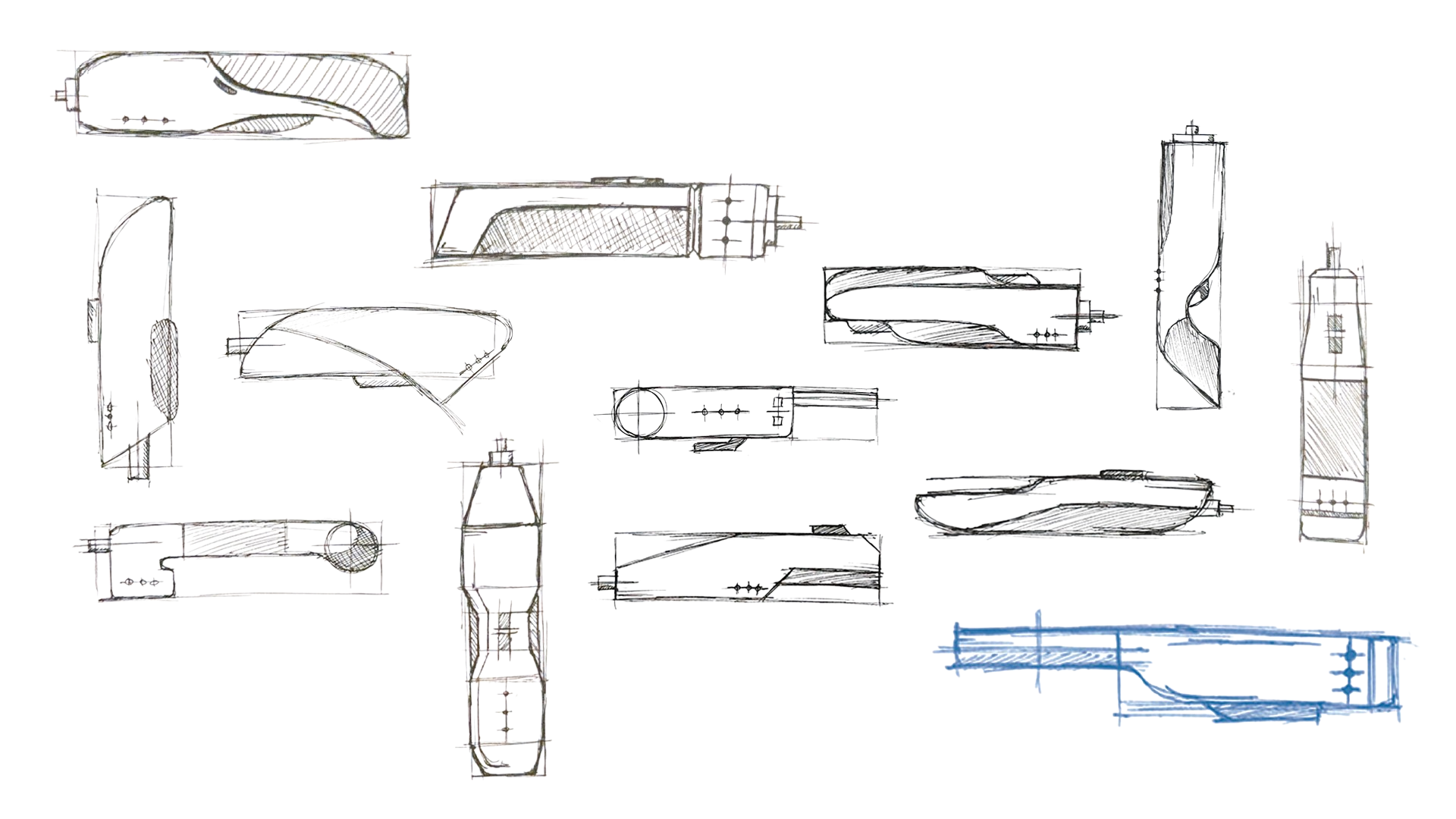
initial ideation
following the form of existing electric screwdrivers, and creating new ones, sketches were made to gain an idea of how parts may be placed.
quick refinement
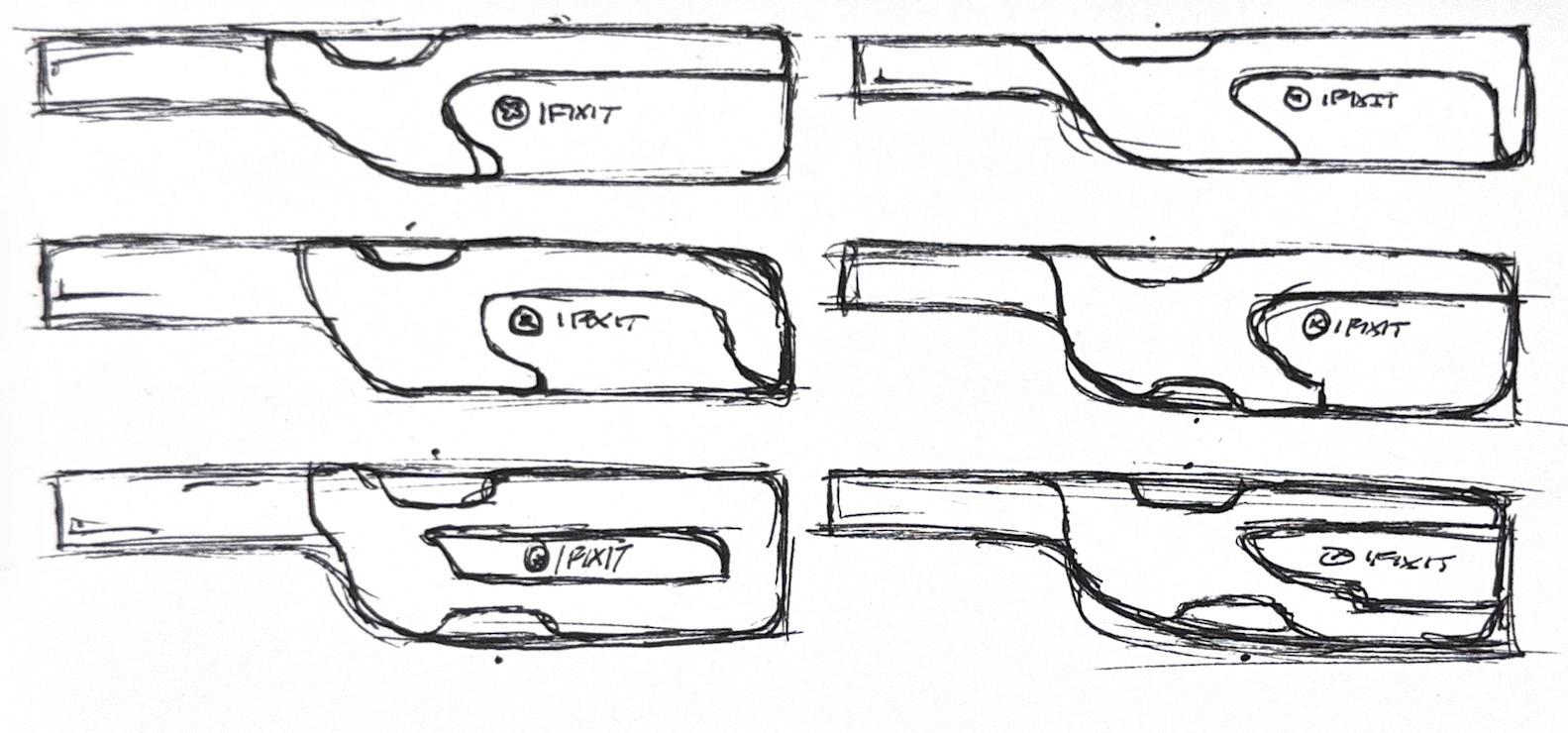
after pinpointing the final form, the next steps were to decide where the defining curves would sit. through critique with peers and teachers, meaningful insight was gathered.
using fusion, every time a major change was made to my design, a model was printed and tested to see what worked and what didn’t. through this process, it allowed for the ability to truly feel what differences were being made to the design every time a new iteration was created.
prototyping through cad
-
![v1]()
v1 | initial proof of concept
-
![adding body width, defining part lines, and testing light placement]()
v2 | adding body width, defining part lines, testing light placement
-
![v3]()
v3 | slight tweaks to button placement, and charging indicators
-
![v4]()
v4 | adding torque control, new button design
-
![v5]()
v5 | maintaining defining body lines while redefining supporting curves
-
![v6]()
v6 | tweaking supporting curves to account for visual balance, experimenting with a new button
-
![v7]()
v7 | bulking up the form after doing research on internals, smoothing back edges out
-
![v8]()
v8 | redefining part lines to better suit the new design
-
![v9]()
v9 | adjusting button convexity, light ring added around bit socket, torque control added back
-
![v10]()
v10 | split the button to denounce forward and backward motion, cavity added for realistic button movement
-
![FINAL]()
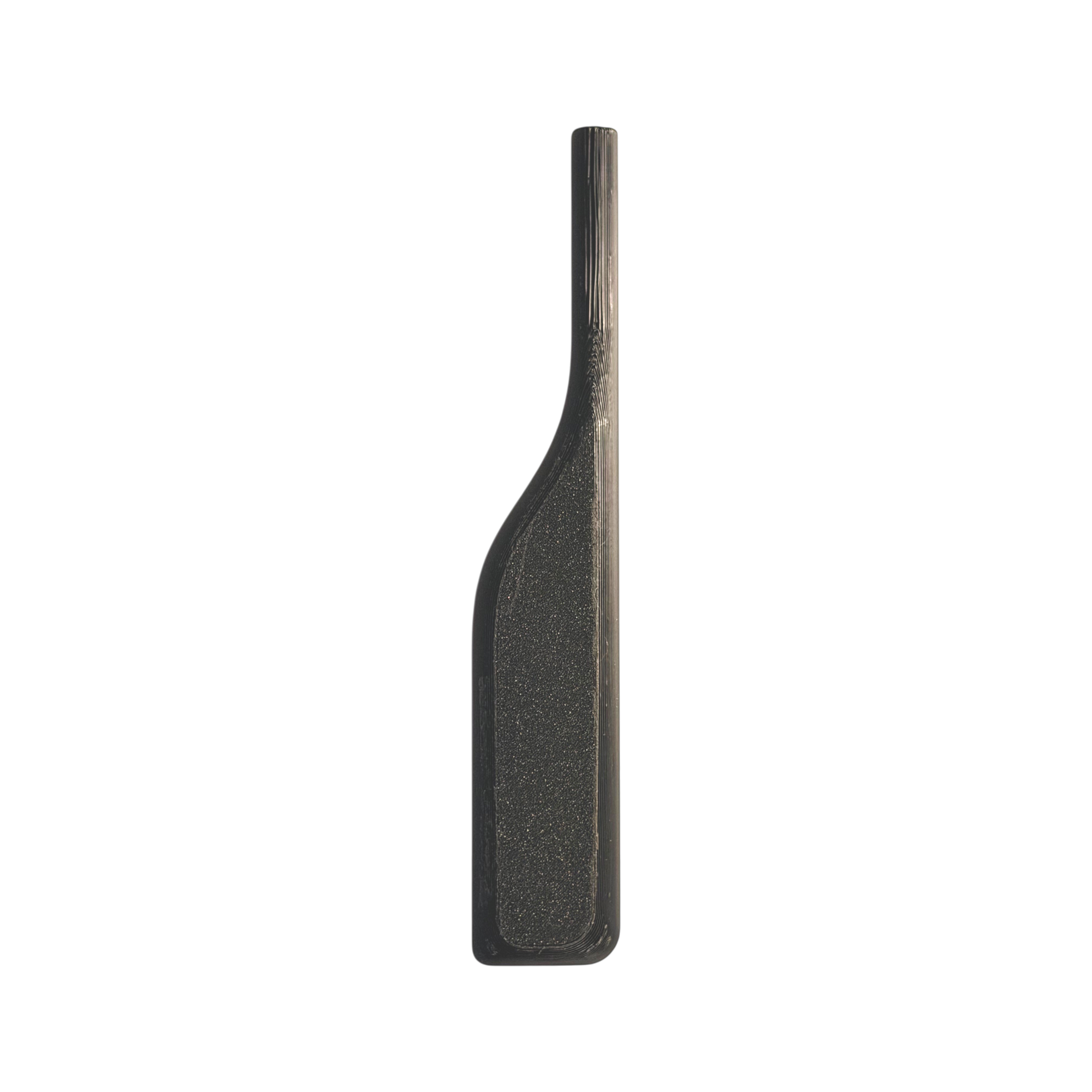
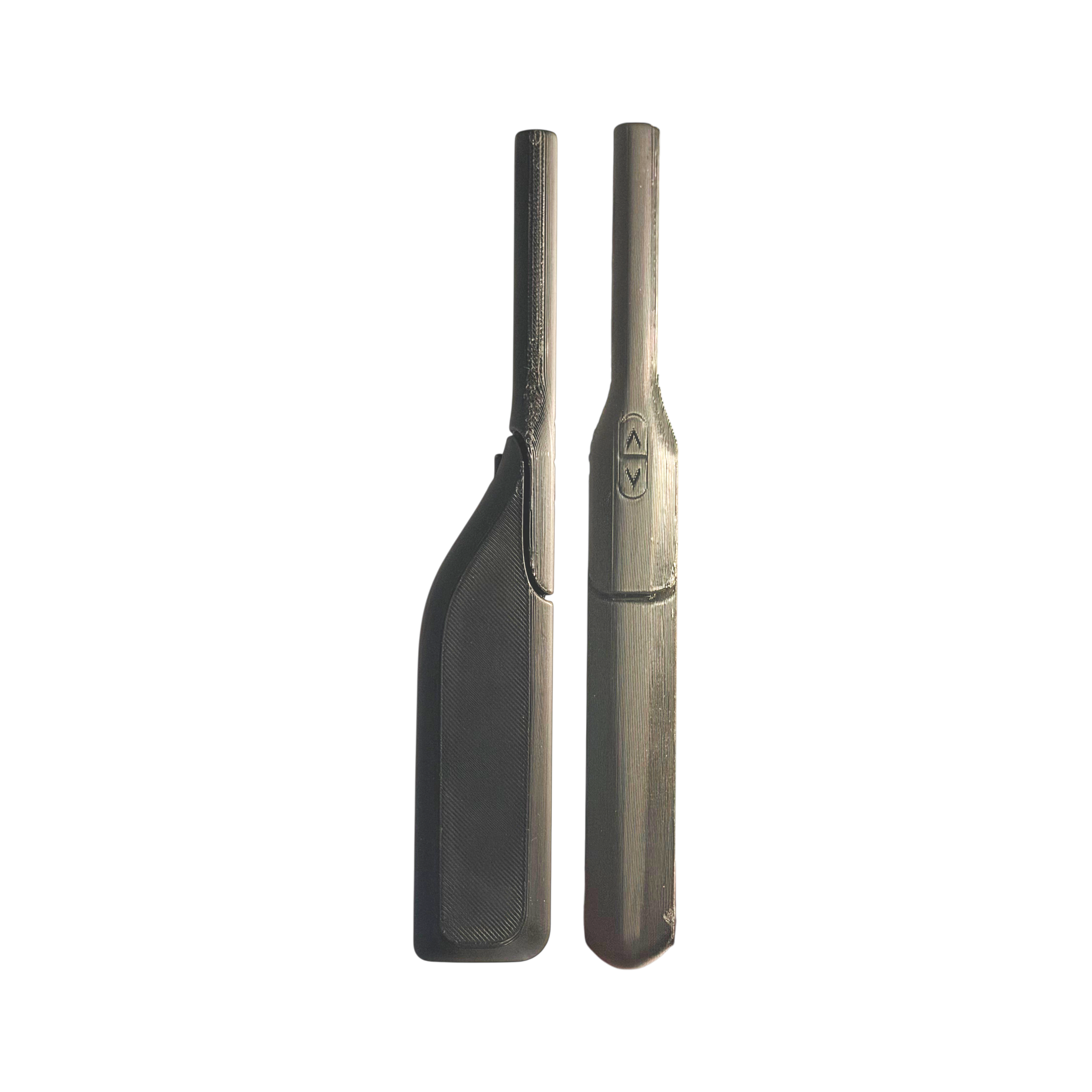
v11 | final model; filled, primed, and sanded
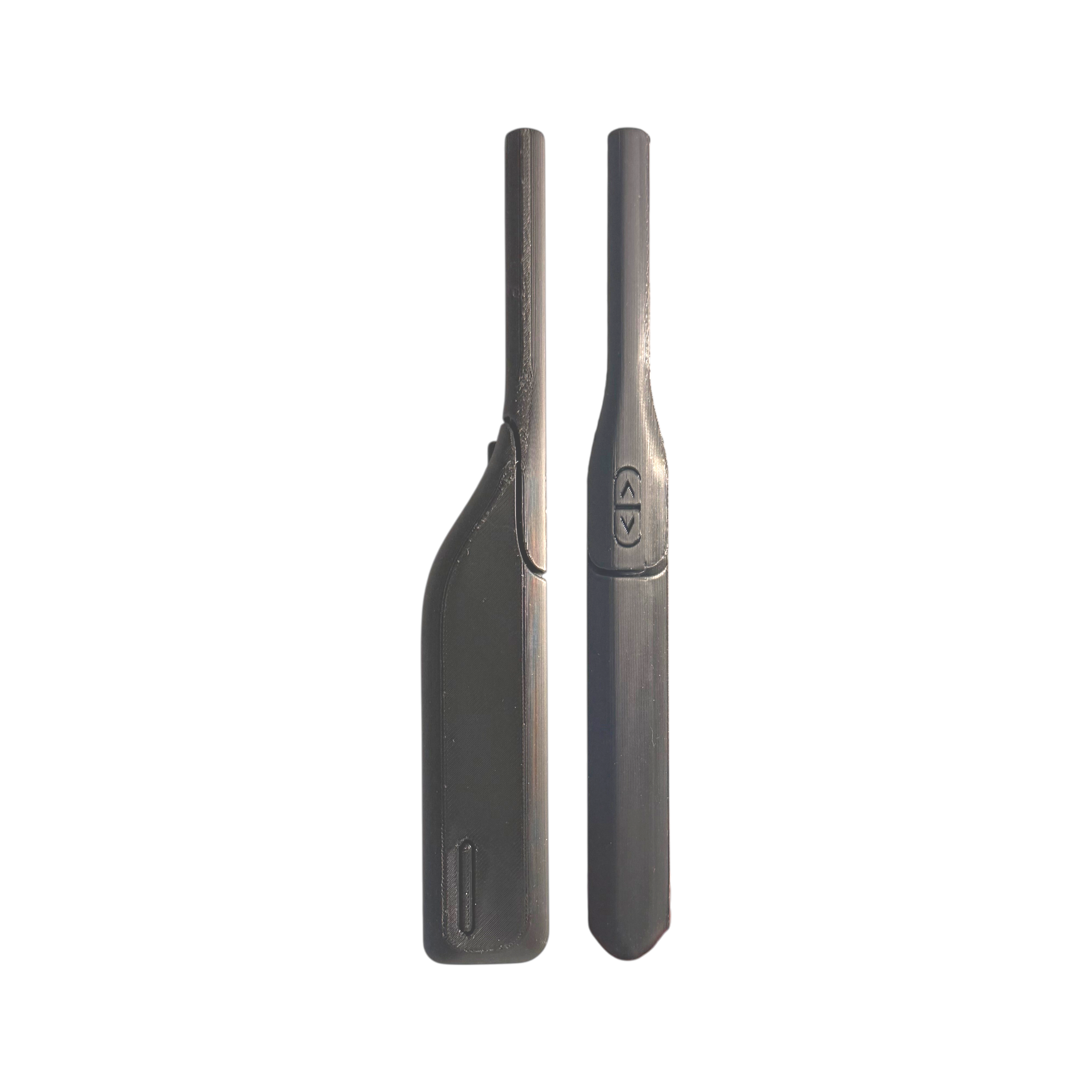
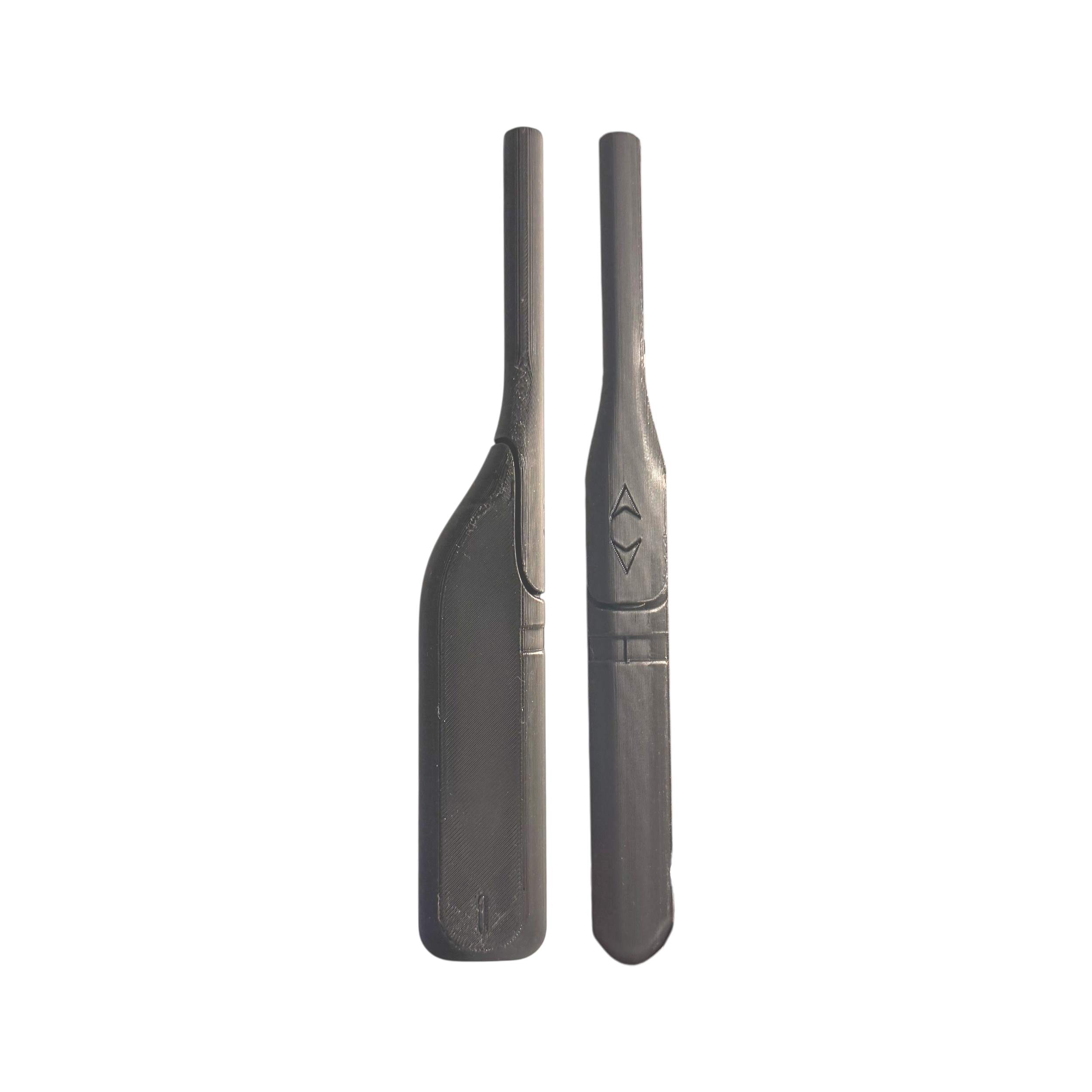
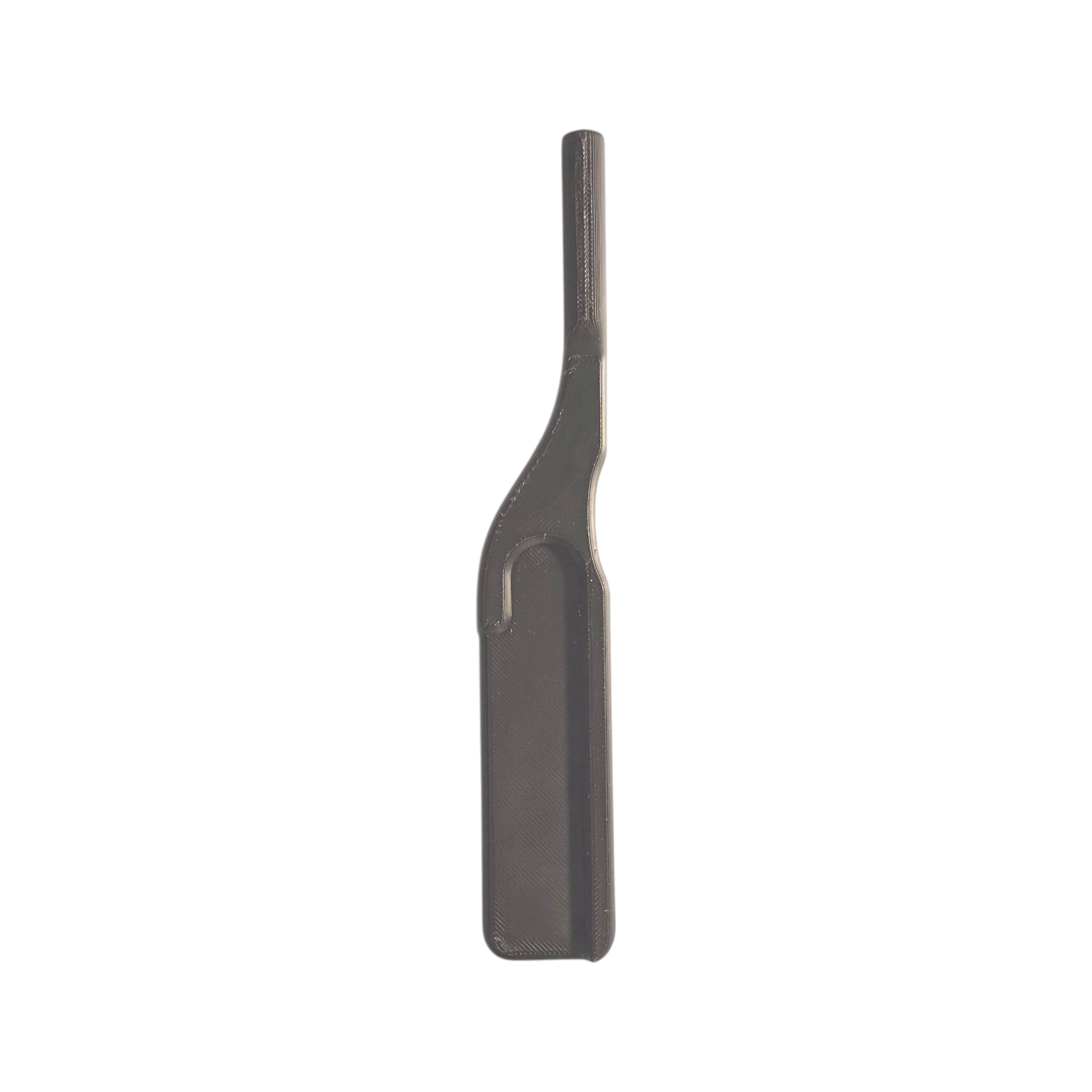
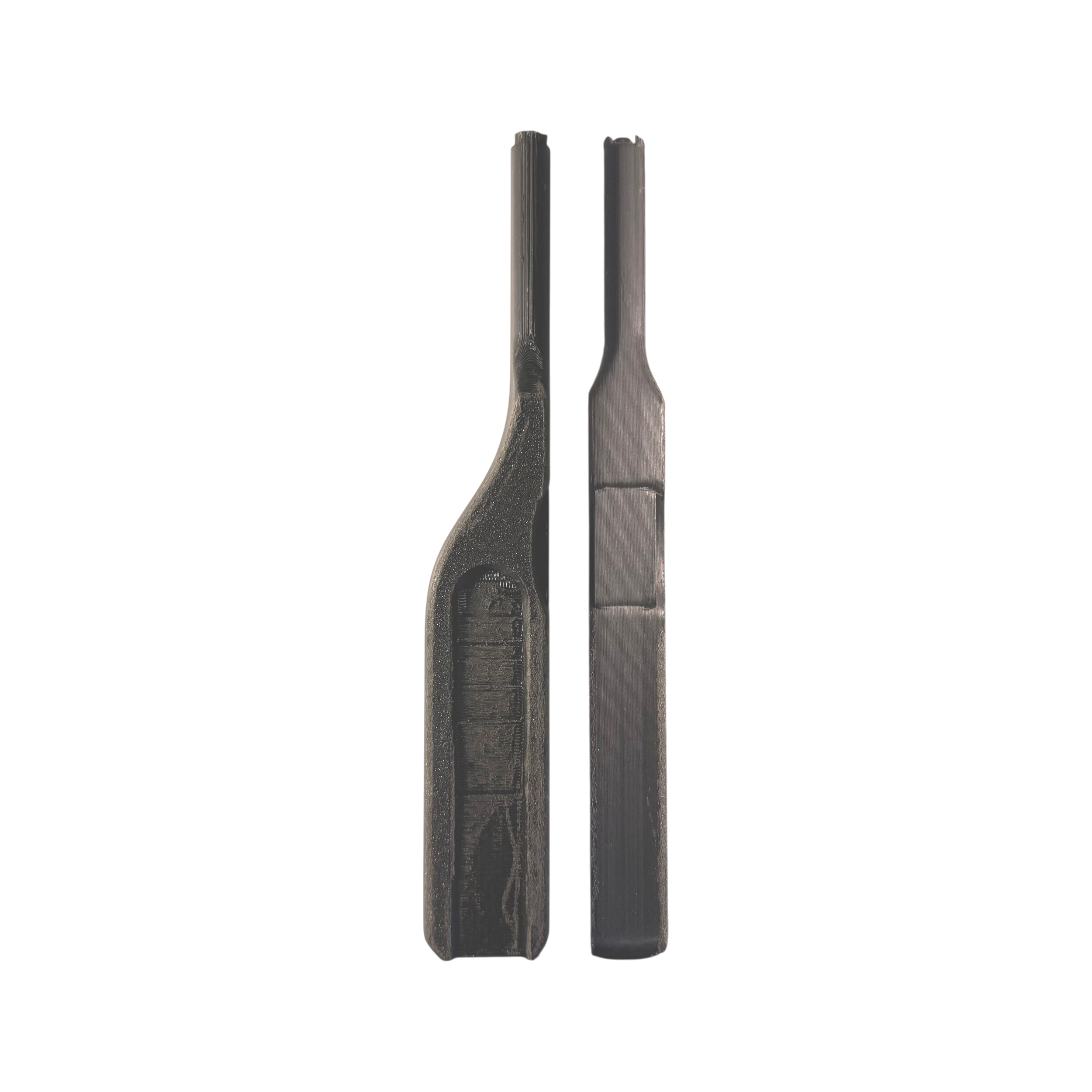
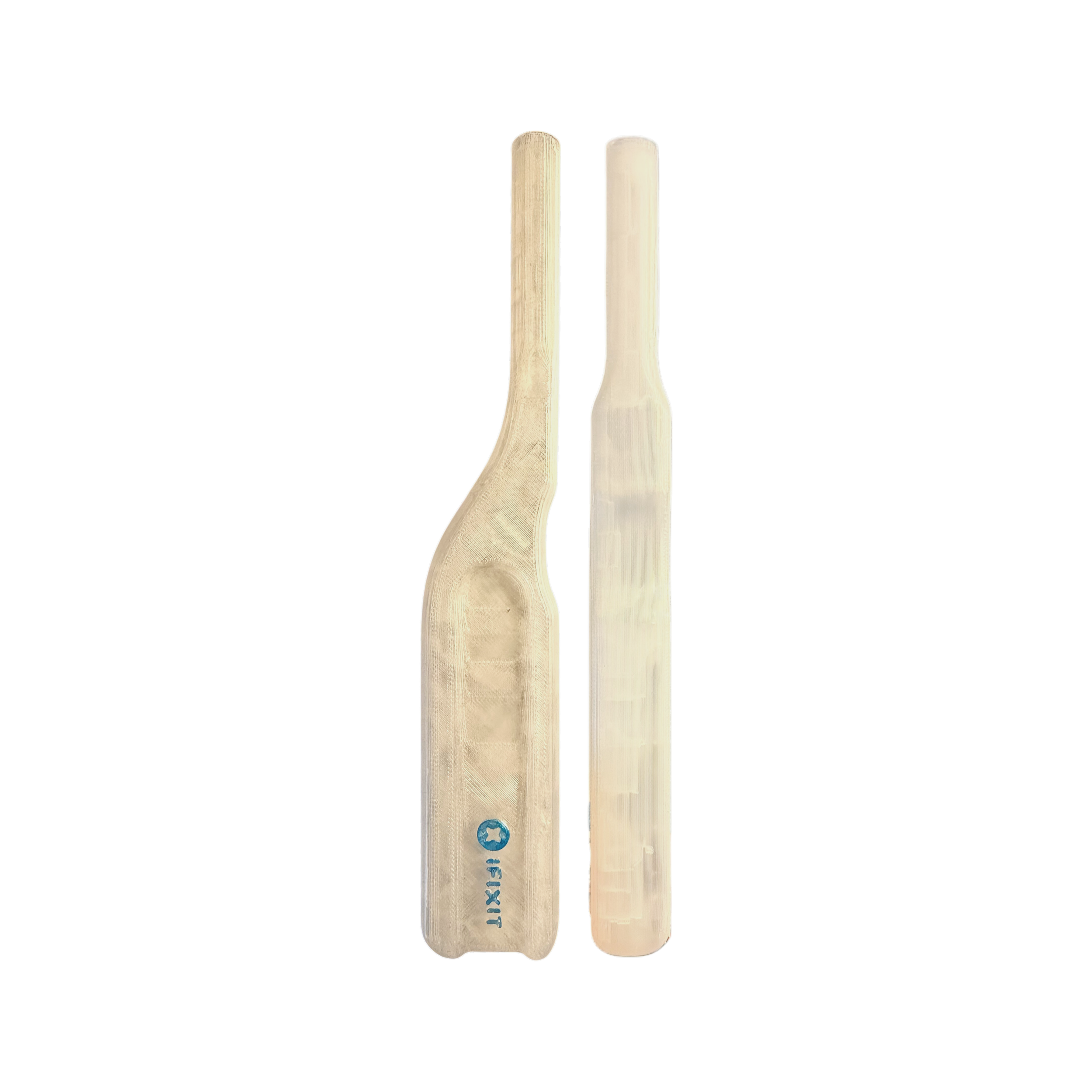
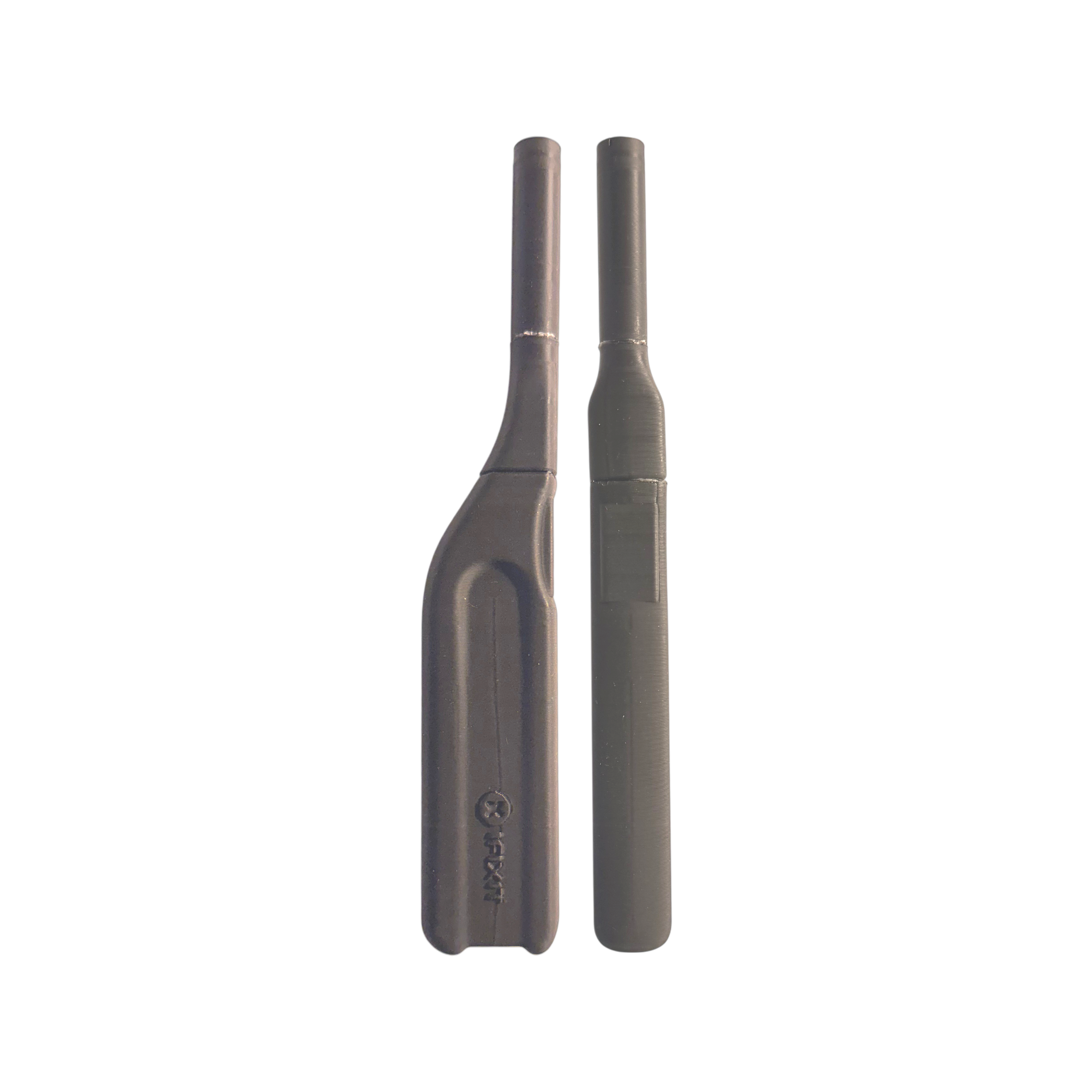
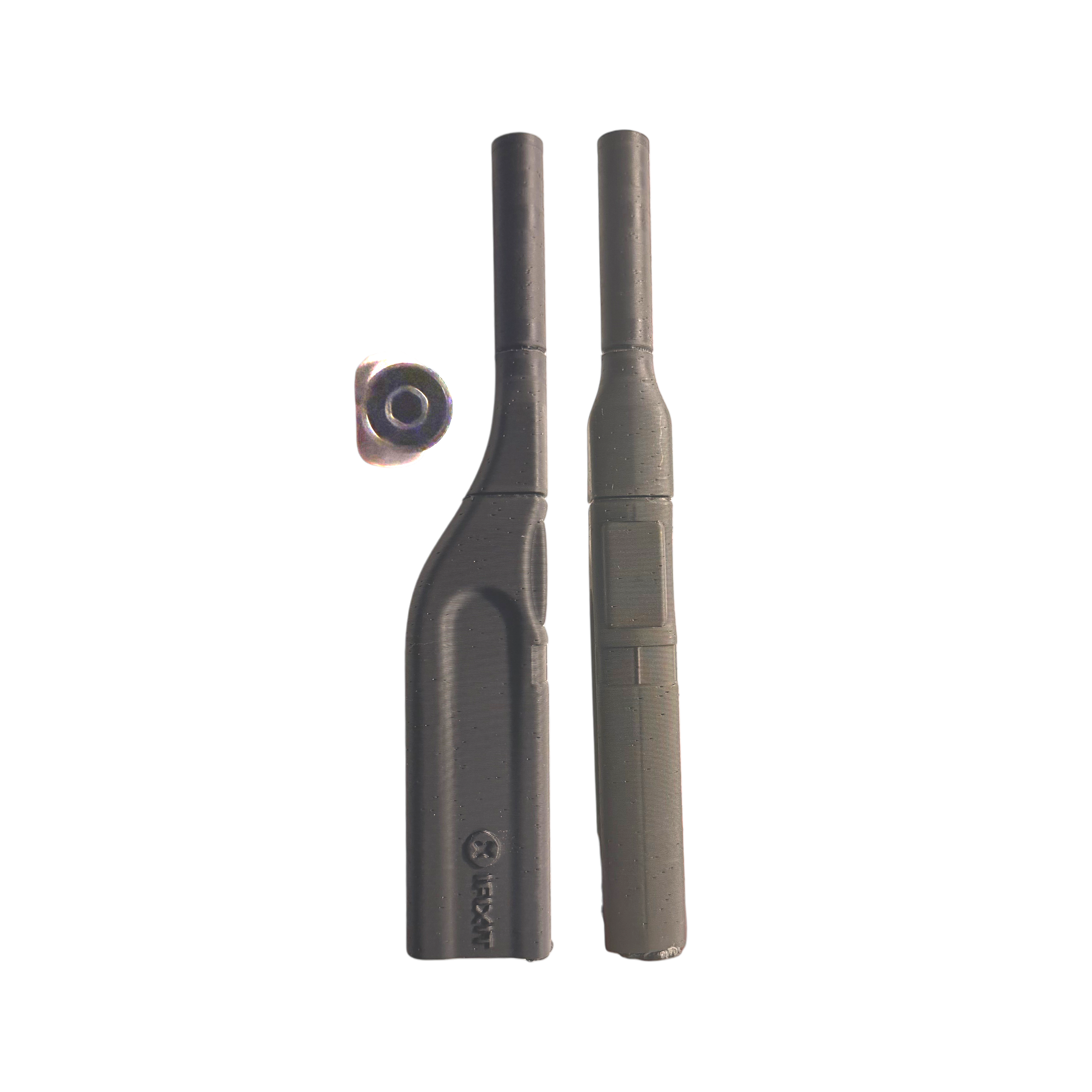
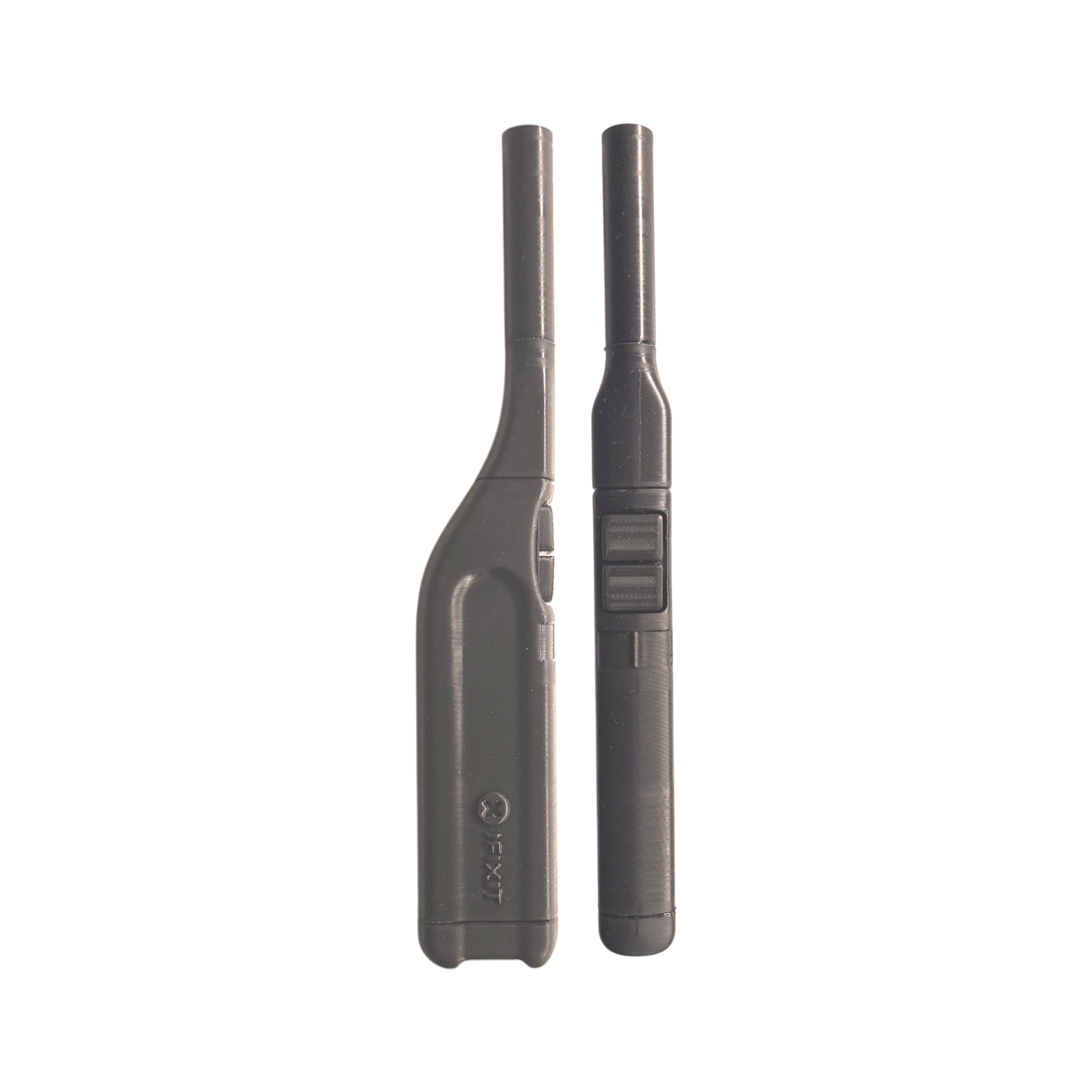
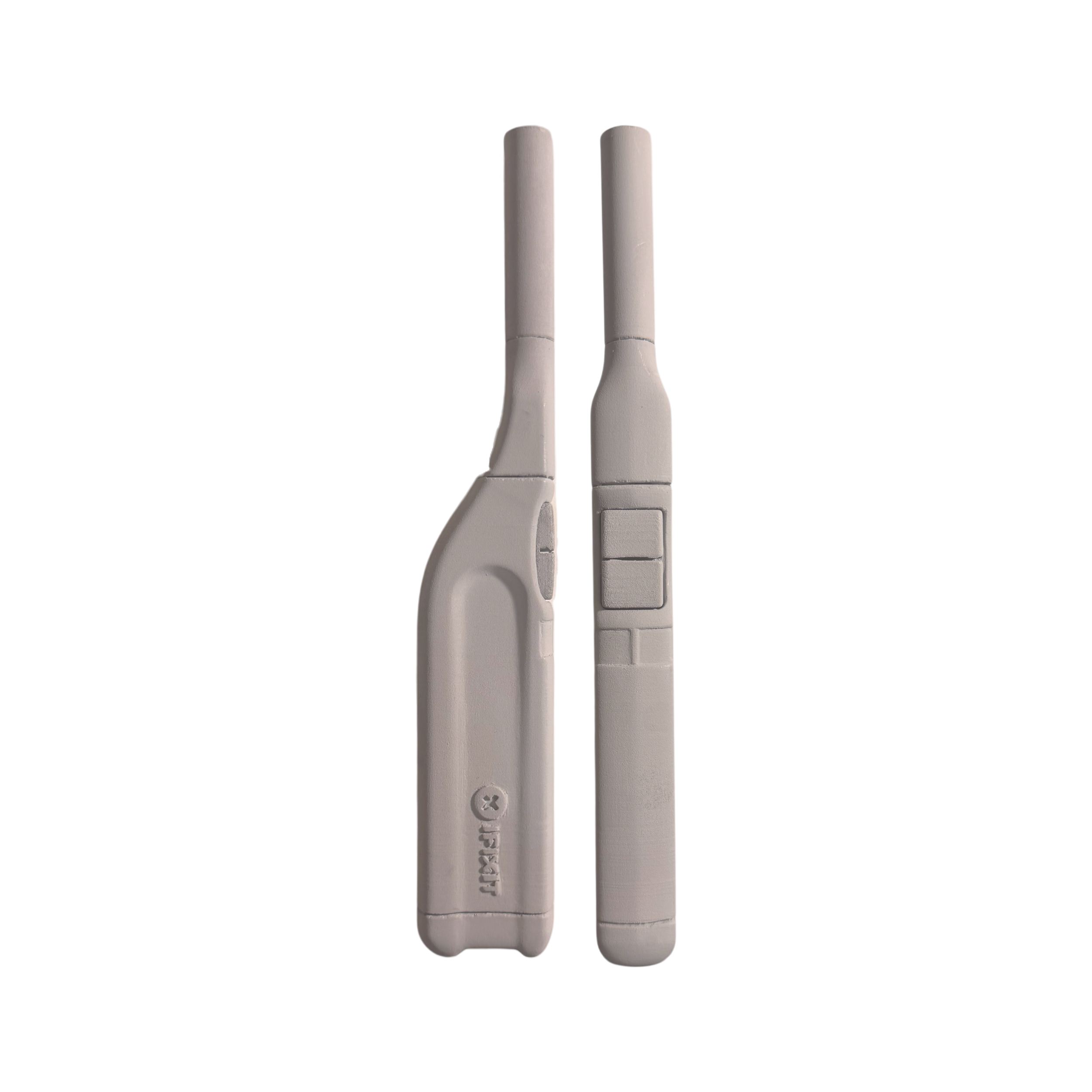
final direction
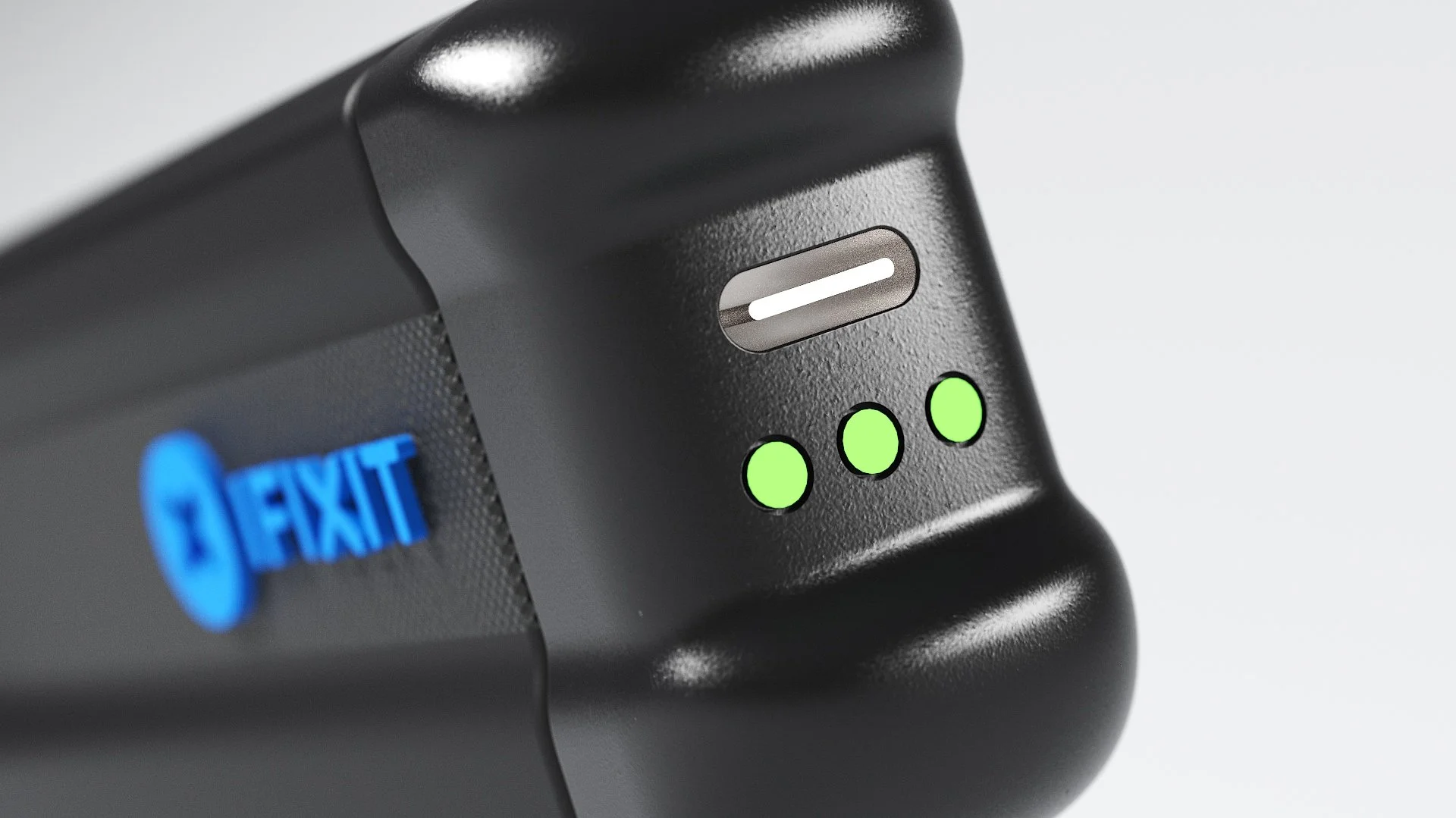
charging
by creating an easy charging interface, the user knows when and where to charge the tool.
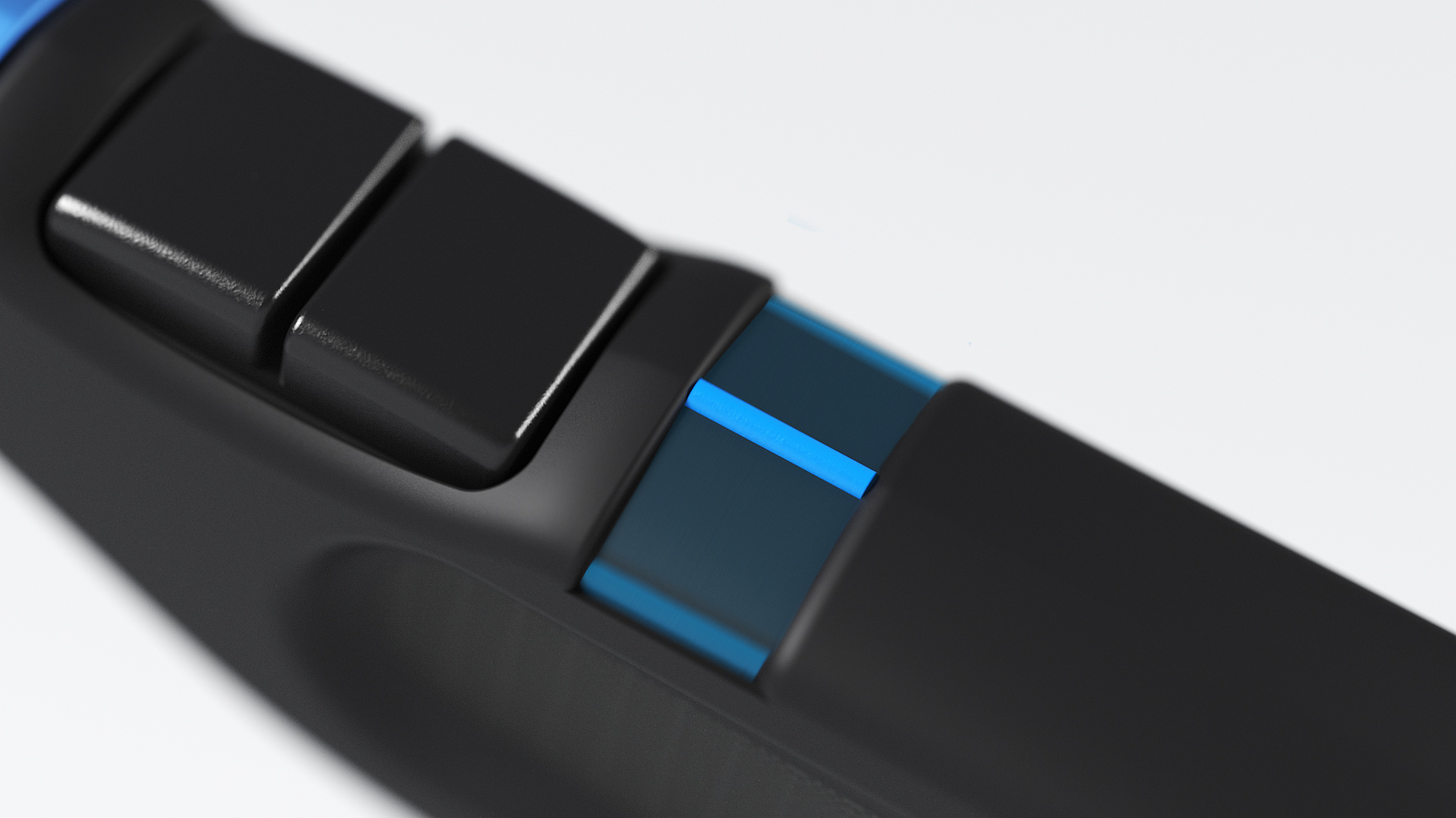
torque adjustment
by placing the torque adjustment dial next to the main button, it provides the user with the easiest experience to change it if needed.
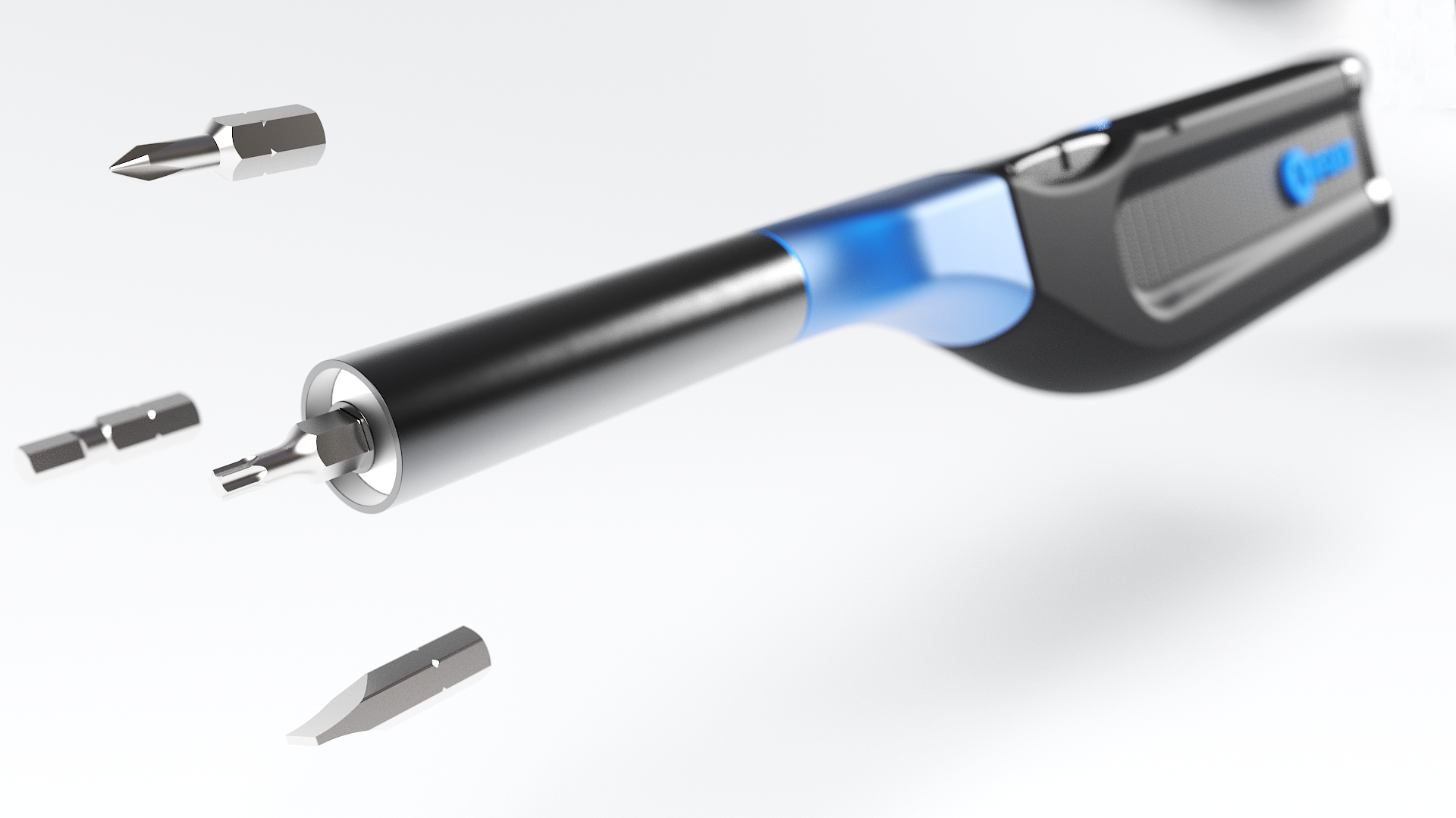
hot-swappable bit socket and adaptive lighting
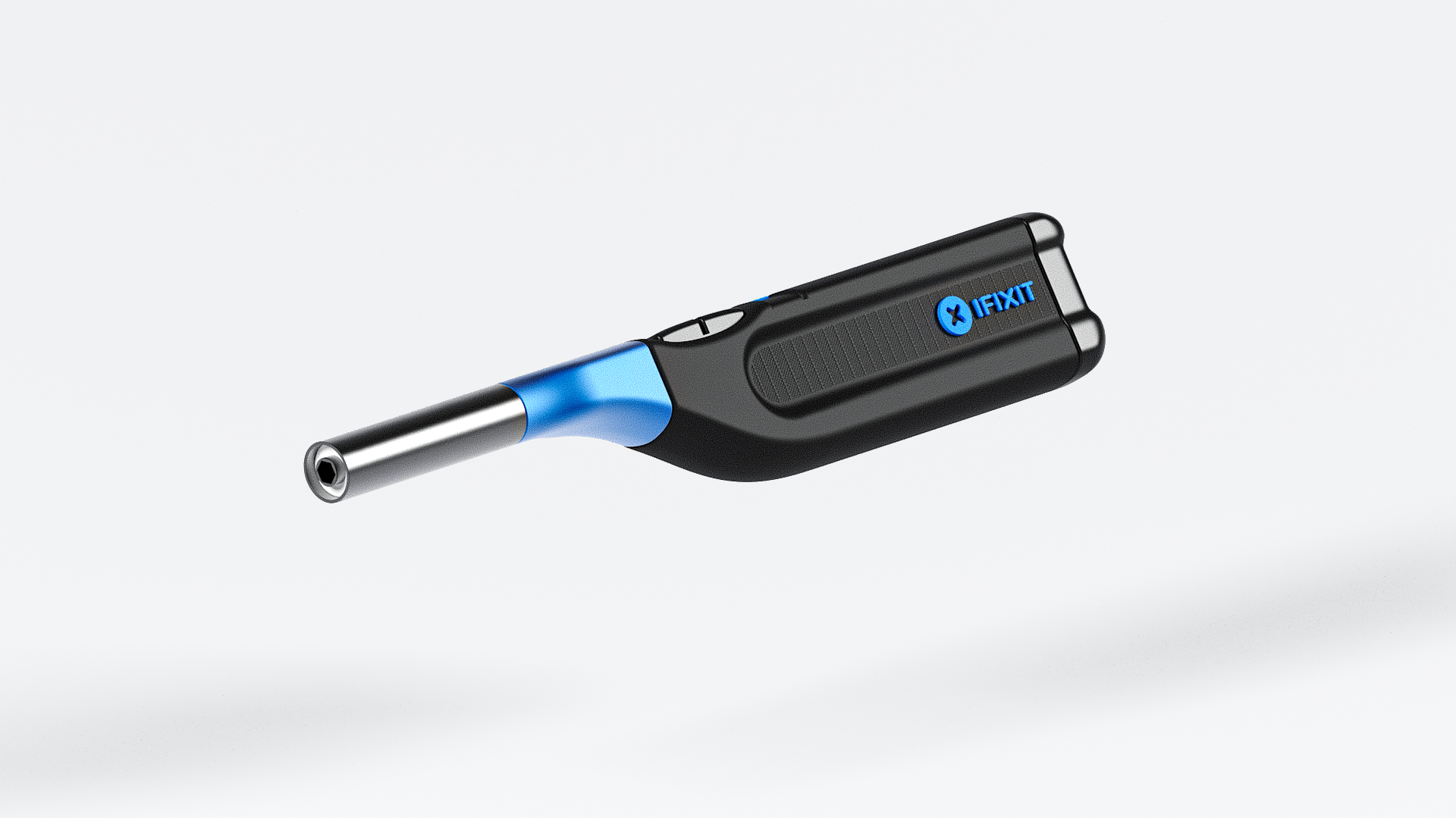
prioritizing a interchangeable socket, it allows the user to change the bit based on their use case. as the tool is activated, a ring of light appears to brighten your workspace.